

There’s something magical about transforming humble ingredients into crave-worthy barbecue, and hot dog burnt ends are the perfect example. Inspired by the legendary pork belly burnt ends from Kansas City barbecue culture, this budget-friendly version delivers the same addictive combination of caramelized edges, sticky-sweet glaze, and smoky flavor. Hot dog burnt ends have taken the grilling world by storm because they’re incredibly simple to prepare, require minimal ingredients, and deliver maximum flavor in every bite. Whether you’re hosting a backyard gathering, looking for a fun appetizer, or simply craving something different, this recipe will become your new go-to crowd-pleaser.
Ingredients List
For the Hot Dog Burnt Ends:
- 2 pounds beef hot dogs (about 16 hot dogs), cut into 1-inch pieces
- 3 tablespoons unsalted butter, melted
- 1/4 cup brown sugar, packed
- 2 tablespoons barbecue rub (your favorite blend)
- 1 teaspoon smoked paprika
- 1/2 teaspoon garlic powder
- 1/2 teaspoon black pepper
For the Glaze:
- 1 cup barbecue sauce (sweet and smoky varieties work best)
- 3 tablespoons honey
- 1 tablespoon apple cider vinegar
- 1 teaspoon hot sauce (optional, for a spicy kick)
Garnish:
- 2 tablespoons fresh parsley, chopped
- Sesame seeds (optional)
Substitution Tips:
- Use turkey or chicken hot dogs for a leaner option
- Swap honey with maple syrup or agave nectar
- Try coconut aminos instead of barbecue sauce for a lower-sugar alternative
- Use vegan hot dogs and dairy-free butter for a plant-based version
Timing
Preparation Time: 10 minutes
Cooking Time: 2 hours (including resting time)
Total Time: 2 hours 10 minutes
Time Management Tips:
Make the glaze while the hot dogs are smoking for the first hour. You can also cut the hot dogs the night before and store them covered in the refrigerator. This recipe is perfect for multitasking—prep your side dishes while the burnt ends cook low and slow.
How to Make It
1. Prepare Your Hot Dogs
Start by cutting your hot dogs into bite-sized pieces, approximately 1 inch thick. This size ensures each piece gets maximum caramelization while staying juicy inside. Place the cut hot dogs in a disposable aluminum pan—this makes cleanup easier and helps catch all those delicious drippings.
2. Season Generously
Drizzle the melted butter over the hot dog pieces, tossing gently to coat evenly. In a small bowl, combine brown sugar, barbecue rub, smoked paprika, garlic powder, and black pepper. Sprinkle this seasoning mixture over the hot dogs, stirring until every piece is well-coated. The sugar will help create that signature caramelized crust you’re looking for.
3. Start Smoking
Preheat your smoker to 250°F. If you’re using a grill, set it up for indirect heat and add wood chips (hickory or applewood work beautifully). Place the pan of seasoned hot dogs in the smoker and let them cook uncovered for 1 hour. You’ll notice the edges starting to darken and crisp—that’s exactly what you want.
4. Make the Glaze
While your hot dogs are smoking, whisk together barbecue sauce, honey, apple cider vinegar, and hot sauce (if using) in a medium bowl. The vinegar cuts through the sweetness and adds complexity. Taste and adjust—add more honey if you prefer sweeter burnt ends, or more vinegar for tanginess.
5. Add the Glaze
After the first hour, remove the pan and pour half of your glaze over the hot dog burnt ends. Stir gently to coat, then return to the smoker. Continue cooking for another 45 minutes to 1 hour, stirring every 20 minutes. The glaze will thicken and stick to each piece, creating that gorgeous, glossy coating.
6. Finish and Rest
When the hot dog burnt ends are deeply caramelized with crispy edges and a sticky glaze, remove them from the smoker. Drizzle with the remaining glaze and let them rest for 5 minutes. This brief resting period allows the glaze to set slightly, making them easier to serve.
7. Garnish and Serve
Transfer to a serving platter and sprinkle with fresh parsley and sesame seeds for a pop of color and freshness. Serve immediately with toothpicks for easy snacking.
Nutritional Information
Per Serving (approximately 6 servings):
- Calories: 380
- Protein: 12g
- Carbohydrates: 28g
- Fat: 24g
- Sodium: 1,200mg
- Sugar: 22g
These hot dog burnt ends provide a good source of protein and are satisfying in modest portions. The primary nutritional considerations are sodium content from the hot dogs and added sugars from the glaze. Values are approximate and will vary based on specific brands and modifications you make.
Healthier Alternatives for the Recipe
Reduce Calories:
Use reduced-fat turkey hot dogs and cut the brown sugar in half. You’ll still get great flavor with fewer calories per serving.
Lower Sodium:
Choose low-sodium hot dogs and make your own barbecue rub without salt. This simple swap can reduce sodium by 30-40%.
Gluten-Free:
Most hot dogs are naturally gluten-free, but verify your barbecue sauce and rub don’t contain gluten-containing ingredients.
Plant-Based Version:
Swap regular hot dogs for high-quality vegan sausages. Use dairy-free butter or olive oil. The cooking method remains exactly the same, though plant-based versions may cook slightly faster.
Reduce Sugar:
Replace half the brown sugar with a granulated sugar substitute suitable for cooking. Use a sugar-free barbecue sauce and omit the honey, adding extra vinegar and spices for flavor complexity.
Serving Suggestions
Hot dog burnt ends shine as an appetizer served with toothpicks alongside classic barbecue sides. They pair beautifully with coleslaw, baked beans, cornbread, or mac and cheese. For a complete meal, serve them over white rice or creamy grits.

Presentation Ideas:
- Serve in small individual cups with a drizzle of extra sauce
- Create a burnt ends board with various dipping sauces (ranch, honey mustard, sriracha mayo)
- Pile them on slider buns with pickles for mini sandwiches
- Skewer them with cheese cubes and pickles for party platters
Beverage Pairings:
These sweet and smoky bites complement cold beer, sweet tea, lemonade, or cola. For adults, try them with bourbon or a hoppy IPA.
Seasonal Variations:
Add a pinch of pumpkin pie spice to the rub for fall gatherings, or incorporate fresh jalapeños into the glaze for summer cookouts.
Common Mistakes to Avoid
Not Cutting Evenly:
Inconsistent sizes lead to uneven cooking. Some pieces will burn while others stay undercooked. Take an extra minute to cut uniform pieces.
Skipping the Stir:
If you don’t stir regularly during the glazing phase, the bottom pieces will burn while the top stays pale. Gentle stirring every 20 minutes ensures even caramelization.
Cooking at Too High Temperature:
Patience is key. Cooking above 275°F causes the sugar to burn rather than caramelize, resulting in bitter burnt ends. Keep your heat steady around 250°F.
Adding All the Glaze at Once:
This creates a soggy texture instead of a sticky coating. Layer the glaze gradually for that signature tacky, caramelized exterior.
Overcrowding the Pan:
If hot dog pieces are stacked, they’ll steam instead of developing crispy edges. Use multiple pans if necessary to keep them in a single layer.
Using Low-Quality Hot Dogs:
All-beef hot dogs with natural casings provide the best texture and flavor. Cheap hot dogs with lots of fillers can become mushy.
Storing Tips for the Recipe
Refrigerator Storage:
Cool the hot dog burnt ends completely before transferring to an airtight container. They’ll keep in the refrigerator for 3-4 days. The glaze may thicken as it cools but will soften again when reheated.
Freezer Storage:
These freeze surprisingly well. Place cooled burnt ends in freezer-safe containers or bags, removing as much air as possible. They’ll maintain quality for up to 2 months. Separate layers with parchment paper to prevent sticking.
Reheating Instructions:
For best results, reheat in a 300°F oven for 10-15 minutes until warmed through and the glaze is bubbling. You can also microwave them for 1-2 minutes, though the texture won’t be quite as crispy. Add a splash of barbecue sauce before reheating to refresh the glaze.
Make-Ahead Tips:
Prepare and season the hot dogs up to 24 hours in advance, keeping them covered in the refrigerator. You can also make the glaze ahead and store it separately. This makes day-of cooking even easier.
Conclusion
Hot dog burnt ends prove that impressive flavor doesn’t require expensive ingredients or complex techniques. This recipe delivers authentic barbecue taste with minimal effort, making it perfect for both novice cooks and experienced pitmasters looking for a quick crowd-pleaser. The combination of smoky, sweet, and savory flavors creates an addictive snack that disappears fast at any gathering. Give this recipe a try at your next cookout—your guests will be asking for the recipe before the day is done. Share your burnt ends creations with us, and don’t be afraid to experiment with different hot dog varieties and glaze flavors to make this recipe your own.
FAQs
Can I make hot dog burnt ends in the oven?
Absolutely! Preheat your oven to 275°F and follow the same process. Use a regular baking dish instead of an aluminum pan. The texture will be slightly different without the smoke, but you can add a teaspoon of liquid smoke to the glaze for that barbecue flavor.
What’s the best type of hot dog to use?
All-beef hot dogs with natural casings work best because they hold their shape and develop better texture. Avoid hot dogs with very high water content as they can become mushy. Higher-quality brands generally perform better.
Can I use a different sauce besides barbecue sauce?
Yes! Try teriyaki sauce for an Asian twist, buffalo sauce for spicy wings-style burnt ends, or a combination of ketchup and brown sugar for a simpler sweet glaze. The technique remains the same regardless of sauce choice.
Why are my burnt ends too dry?
This usually happens from overcooking or insufficient glaze. Make sure you’re stirring regularly and adding glaze in layers. If they start looking dry, add a bit more butter or glaze and reduce your cooking time next batch.
Can I make these without a smoker?
Definitely. Use your regular grill with indirect heat and wood chips in a smoker box, or make them entirely in your oven. While you’ll miss some smoky flavor, adding liquid smoke or smoked paprika to your seasoning helps compensate.
How do I know when they’re done?
Look for deeply caramelized edges with a dark, sticky glaze coating each piece. They should have some resistance when you bite but still be tender inside. The glaze should be thick and sticky, not runny.
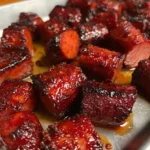
Hot Dog Burnt Ends Recipe:
- Total Time: 2 hours 10 minutes
- Yield: 6 servings 1x
Description
There’s something magical about transforming humble ingredients into crave-worthy barbecue, and hot dog burnt ends are the perfect example. Inspired by the legendary pork belly burnt ends from Kansas City barbecue culture, this budget-friendly version delivers the same addictive combination of caramelized edges, sticky-sweet glaze, and smoky flavor.
Ingredients
For the Hot Dog Burnt Ends:
- 2 pounds beef hot dogs (about 16 hot dogs), cut into 1-inch pieces
- 3 tablespoons unsalted butter, melted
- 1/4 cup brown sugar, packed
- 2 tablespoons barbecue rub (your favorite blend)
- 1 teaspoon smoked paprika
- 1/2 teaspoon garlic powder
- 1/2 teaspoon black pepper
For the Glaze:
- 1 cup barbecue sauce (sweet and smoky varieties work best)
- 3 tablespoons honey
- 1 tablespoon apple cider vinegar
- 1 teaspoon hot sauce (optional, for a spicy kick)
Garnish:
- 2 tablespoons fresh parsley, chopped
- Sesame seeds (optional)
Substitution Tips:
- Use turkey or chicken hot dogs for a leaner option
- Swap honey with maple syrup or agave nectar
- Try coconut aminos instead of barbecue sauce for a lower-sugar alternative
- Use vegan hot dogs and dairy-free butter for a plant-based version
Instructions
Start by cutting your hot dogs into bite-sized pieces, approximately 1 inch thick. This size ensures each piece gets maximum caramelization while staying juicy inside. Place the cut hot dogs in a disposable aluminum pan—this makes cleanup easier and helps catch all those delicious drippings.
Drizzle the melted butter over the hot dog pieces, tossing gently to coat evenly. In a small bowl, combine brown sugar, barbecue rub, smoked paprika, garlic powder, and black pepper. Sprinkle this seasoning mixture over the hot dogs, stirring until every piece is well-coated. The sugar will help create that signature caramelized crust you’re looking for.
Preheat your smoker to 250°F. If you’re using a grill, set it up for indirect heat and add wood chips (hickory or applewood work beautifully). Place the pan of seasoned hot dogs in the smoker and let them cook uncovered for 1 hour. You’ll notice the edges starting to darken and crisp—that’s exactly what you want.
While your hot dogs are smoking, whisk together barbecue sauce, honey, apple cider vinegar, and hot sauce (if using) in a medium bowl. The vinegar cuts through the sweetness and adds complexity. Taste and adjust—add more honey if you prefer sweeter burnt ends, or more vinegar for tanginess.
After the first hour, remove the pan and pour half of your glaze over the hot dog burnt ends. Stir gently to coat, then return to the smoker. Continue cooking for another 45 minutes to 1 hour, stirring every 20 minutes. The glaze will thicken and stick to each piece, creating that gorgeous, glossy coating.
When the hot dog burnt ends are deeply caramelized with crispy edges and a sticky glaze, remove them from the smoker. Drizzle with the remaining glaze and let them rest for 5 minutes. This brief resting period allows the glaze to set slightly, making them easier to serve.
Transfer to a serving platter and sprinkle with fresh parsley and sesame seeds for a pop of color and freshness. Serve immediately with toothpicks for easy snacking.
Nutrition
- Calories: 380
- Sugar: 22g
- Sodium: 1,200mg
- Fat: 24g
- Carbohydrates: 28g
- Protein: 12g