
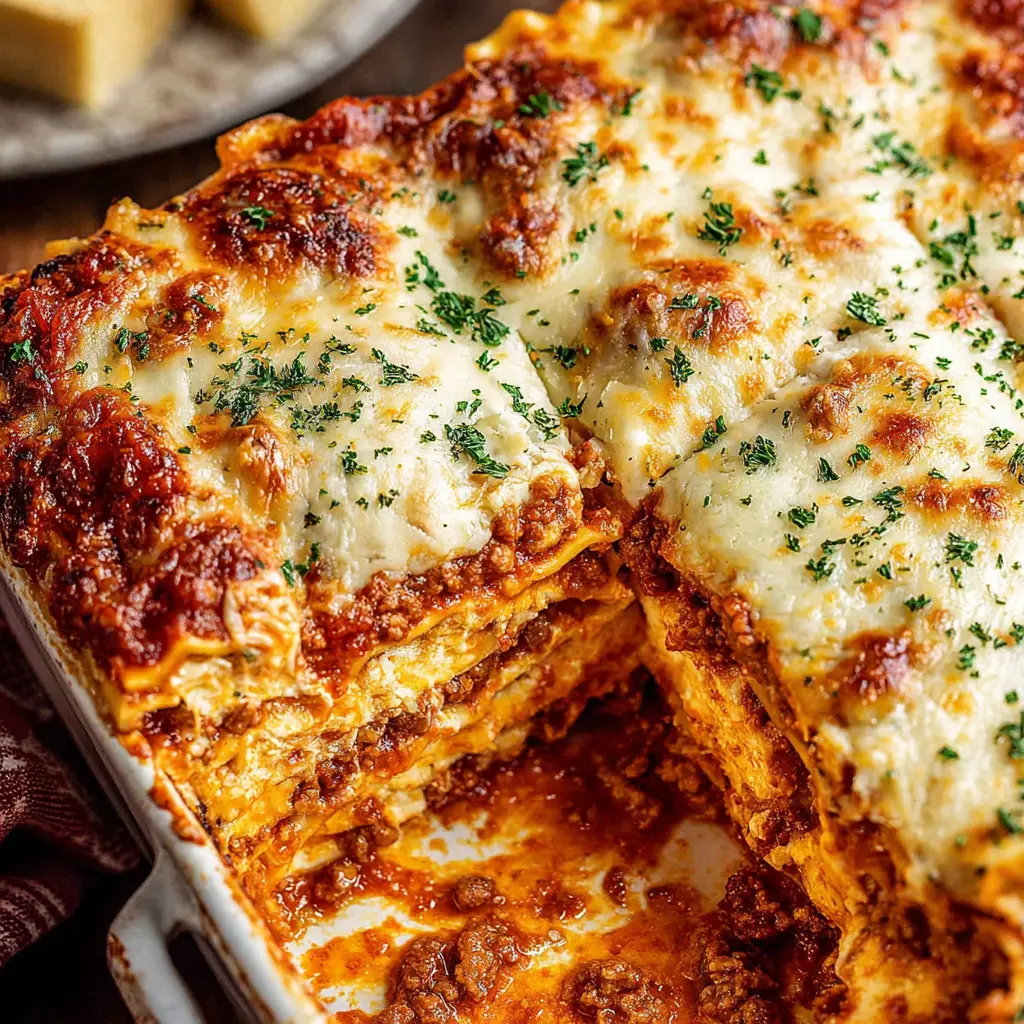
Growing up, Sunday dinners meant one thing in our household: the intoxicating aroma of lasagna slowly baking in the oven while the whole family gathered in anticipation. This homemade lasagna recipe with ricotta cheese captures that same magic, creating layers of rich flavors that have made this dish a cornerstone of comfort food across cultures. The beauty of lasagna lies not just in its taste, but in its ability to feed a crowd while showcasing the perfect harmony between creamy ricotta, savory meat sauce, and melted mozzarella.
What makes this particular recipe special is its approachable method that delivers restaurant-quality results in your own kitchen. Each layer builds upon the last, creating a symphony of textures and flavors that will have your guests asking for seconds before they’ve finished their first serving. The ricotta cheese mixture adds a luxurious creaminess that perfectly balances the robust tomato sauce and hearty pasta, making every bite a delightful experience.
Ingredients List
For the Meat Sauce:
- 1 pound ground beef (80/20 blend for optimal flavor)
- 1 pound Italian sausage, casings removed
- 1 large onion, finely diced
- 4 garlic cloves, minced
- 2 cans (28 oz each) crushed tomatoes
- 2 tablespoons tomato paste
- 2 teaspoons dried basil
- 1 teaspoon dried oregano
- Salt and black pepper to taste
For the Ricotta Mixture:
- 32 oz whole milk ricotta cheese (for ultimate creaminess)
- 2 large eggs, beaten
- 1/2 cup freshly grated Parmesan cheese
- 2 tablespoons fresh parsley, chopped
- 1 teaspoon garlic powder
- Pinch of nutmeg
For Assembly:
- 16 oz lasagna noodles
- 16 oz mozzarella cheese, shredded
- 1/2 cup additional Parmesan cheese for topping
Substitution Options: For gluten-free diets, use gluten-free lasagna noodles. Vegetarians can replace meat with sautéed mushrooms, zucchini, and bell peppers. Those watching calories can use part-skim ricotta and reduce mozzarella by one-third without significantly impacting the rich, satisfying taste.
Timing
This homemade lasagna recipe with ricotta cheese requires approximately 3 hours from start to finish, but the hands-on time is much less demanding than you might expect. Plan for 45 minutes of active preparation time, which includes browning the meat, preparing the ricotta mixture, and assembling all the gorgeous layers. The baking process takes about 45 minutes, followed by a crucial 15-minute resting period that allows the layers to set properly for perfect slicing.
Time Management Tips: Start the meat sauce first since it benefits from longer simmering. While it bubbles away, boil your pasta and prepare the ricotta mixture. This efficient approach allows you to multitask effectively, making the process feel less overwhelming. For busy schedules, assemble the entire lasagna the night before and refrigerate overnight – just add an extra 15 minutes to the baking time when cooking from cold.
How to Make It
1. Prepare the Perfect Meat Sauce
Heat a large skillet over medium-high heat and brown the ground beef and Italian sausage, breaking them into small, uniform pieces with a wooden spoon. This browning process creates incredible depth of flavor that forms the foundation of your sauce. Once the meat develops a beautiful golden-brown color, add the diced onions and cook until they become translucent and fragrant, about 5 minutes. Stir in the minced garlic and cook for another minute, being careful not to let it burn.
Add the crushed tomatoes, tomato paste, basil, and oregano to the meat mixture, stirring everything together until well combined. Reduce the heat to low and let the sauce simmer gently for 20-30 minutes, allowing the flavors to meld together beautifully. Season with salt and pepper to taste, remembering that the cheese will add additional saltiness to the finished dish.
2. Cook the Lasagna Noodles to Perfection
Bring a large pot of salted water to a rolling boil and add the lasagna noodles, stirring gently to prevent sticking. Cook according to package directions until al dente, which typically takes 8-10 minutes. The noodles should be tender but still have a slight bite since they’ll continue cooking in the oven. Drain the noodles and lay them flat on a clean kitchen towel to prevent them from sticking together while you prepare the other components.
3. Create the Creamy Ricotta Mixture
In a large mixing bowl, combine the ricotta cheese, beaten eggs, Parmesan cheese, chopped parsley, garlic powder, and a pinch of nutmeg. Mix everything together until smooth and well incorporated, creating a luscious, creamy mixture that will add richness to every layer. The eggs help bind the ricotta while baking, ensuring your lasagna holds together beautifully when sliced. Taste and adjust seasoning with a pinch of salt if needed.
4. Assemble Your Masterpiece
Preheat your oven to 375°F and grease a 9×13-inch baking dish with cooking spray or butter. Spread a thin layer of meat sauce across the bottom of the dish – this prevents the noodles from sticking and adds flavor throughout. Layer 4 lasagna noodles over the sauce, slightly overlapping them to ensure complete coverage. Spread half of the ricotta mixture evenly over the noodles, followed by one-third of the remaining meat sauce and one-third of the mozzarella cheese.
Repeat this layering process once more: noodles, remaining ricotta mixture, half of the remaining meat sauce, and another third of mozzarella. Top with the final layer of noodles, remaining meat sauce, and finish with the remaining mozzarella and additional Parmesan cheese for that gorgeous golden-brown top.
5. Bake to Golden Perfection
Cover the assembled lasagna tightly with aluminum foil, ensuring it doesn’t touch the cheese surface to prevent sticking. Bake for 35 minutes, then remove the foil and continue baking for an additional 10-15 minutes until the cheese is melted, bubbly, and golden brown on top. The edges should be slightly caramelized and the sauce should be bubbling around the sides, indicating that your homemade lasagna recipe with ricotta cheese is perfectly cooked.
Nutritional Information
Each generous serving of this homemade lasagna recipe with ricotta cheese provides approximately 450-500 calories, making it a satisfying main course that delivers substantial nutrition. The dish offers an excellent source of protein from the meat, eggs, and multiple cheeses, supporting muscle health and providing lasting satiety. The ricotta cheese contributes significant calcium for strong bones and teeth, while the tomato sauce provides lycopene, a powerful antioxidant with heart-healthy properties.
The combination of ingredients also provides B vitamins, particularly B12 from the meat and dairy products, which support energy metabolism and nervous system function. While this lasagna is certainly indulgent, it also delivers genuine nutritional value when enjoyed as part of a balanced diet. Each serving contains approximately 25-30 grams of protein, making it particularly satisfying and helping to maintain stable blood sugar levels throughout the evening.
Healthier Alternatives for the Recipe
Transform this homemade lasagna recipe with ricotta cheese into a lighter version by substituting ground turkey or chicken for the beef and sausage, reducing calories while maintaining protein content. Use part-skim ricotta and mozzarella cheeses to significantly decrease saturated fat without sacrificing the creamy texture that makes this dish so appealing. Adding finely diced vegetables like carrots, celery, and bell peppers to the meat sauce increases fiber content and adds natural sweetness while reducing the overall meat quantity.
For those following gluten-free diets, substitute traditional pasta with gluten-free lasagna noodles or try thinly sliced zucchini or eggplant for a low-carb alternative. These vegetable “noodles” should be salted and drained for 30 minutes before use to remove excess moisture. Vegetarians can create an equally delicious version using a mixture of sautéed mushrooms, spinach, and roasted vegetables in place of the meat sauce, maintaining the rich, satisfying flavors while accommodating different dietary preferences.
Serving Suggestions
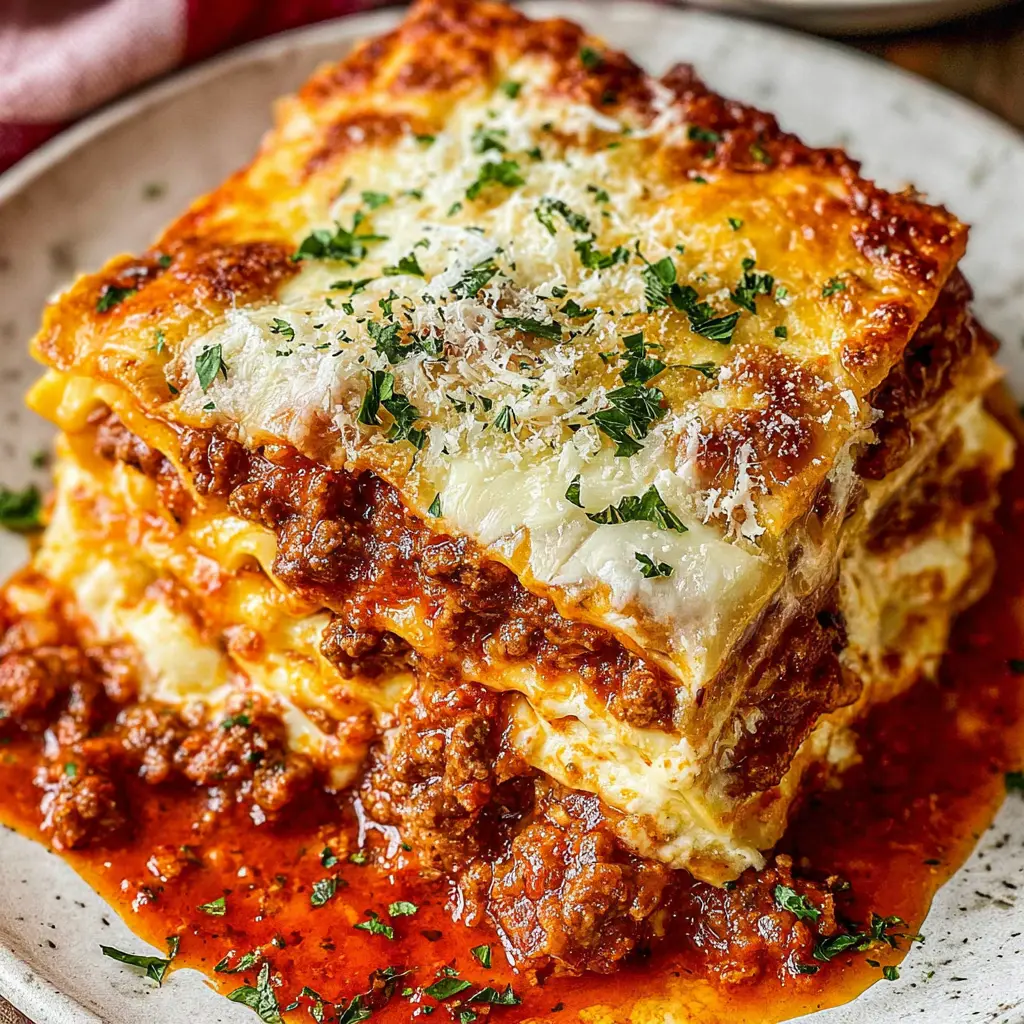
Present your homemade lasagna recipe with ricotta cheese alongside a crisp Caesar salad or mixed greens with balsamic vinaigrette to balance the rich, cheesy flavors with fresh, acidic notes. Garlic bread or crusty Italian bread makes an excellent accompaniment, perfect for soaking up any extra sauce on the plate. For beverages, consider a medium-bodied red wine like Chianti or Sangiovese, which complement the tomato-based sauce beautifully without overwhelming the delicate ricotta flavors.
Consider garnishing individual portions with fresh basil leaves or a light sprinkle of red pepper flakes for those who enjoy a bit of heat. During summer months, serve smaller portions alongside grilled vegetables or a caprese salad for a complete Italian-inspired feast. For special occasions, present the lasagna family-style in the baking dish, allowing guests to appreciate the beautiful layers before serving, creating a warm, communal dining experience that celebrates the comfort food tradition.
Common Mistakes to Avoid
One of the most frequent errors when making this homemade lasagna recipe with ricotta cheese is using too much sauce, which can result in a soggy, difficult-to-slice final product. Each layer should be sauced but not swimming – you want enough to provide flavor and moisture without overwhelming the pasta and cheese components. Another common mistake is not letting the lasagna rest after baking, which is crucial for allowing the layers to set properly and making clean, attractive slices possible.
Overcooking the pasta initially can lead to mushy lasagna since the noodles continue cooking during the baking process. Always aim for al dente pasta that still has a slight firmness when you drain it. Additionally, many home cooks skip the step of browning the meat properly, missing out on the deep, caramelized flavors that develop during this crucial step. Take the time to let the meat develop a golden-brown color before adding other ingredients for maximum flavor development.
Storing Tips for the Recipe
Properly stored leftover lasagna maintains its delicious quality for up to 4 days in the refrigerator when covered tightly with plastic wrap or aluminum foil. For optimal freshness, cut the lasagna into individual portions before storing, making reheating more convenient and ensuring even temperature distribution. When reheating refrigerated portions, use a 350°F oven for 15-20 minutes, covering with foil to prevent the top from over-browning while the center warms through completely.
This homemade lasagna recipe with ricotta cheese freezes exceptionally well for up to 3 months, making it perfect for meal planning or preparing ahead for special occasions. Wrap individual portions or the entire dish tightly in plastic wrap, then aluminum foil to prevent freezer burn. Thaw frozen lasagna overnight in the refrigerator before reheating, and add an extra 10-15 minutes to the reheating time to ensure the center reaches the proper temperature throughout.
Conclusion
This homemade lasagna recipe with ricotta cheese represents the perfect marriage of comfort, flavor, and culinary satisfaction that has made this dish a beloved favorite for generations. The layers of creamy ricotta, savory meat sauce, and melted cheese create a symphony of textures and tastes that transform a simple dinner into a memorable dining experience. Whether you’re cooking for family Sunday dinner or preparing for a special celebration, this recipe delivers consistent, restaurant-quality results that will have everyone requesting the recipe.
The beauty of this dish extends beyond its incredible taste – it’s also wonderfully forgiving and adaptable to different dietary needs and preferences. Take your time with each step, enjoy the process of building those gorgeous layers, and don’t forget to let your creation rest before slicing. Your patience will be rewarded with perfect squares that showcase all the delicious layers you’ve so carefully constructed.
FAQs
Can I make this lasagna ahead of time?
Absolutely! Assemble the entire lasagna up to 24 hours in advance and refrigerate covered. When ready to bake, add an extra 15 minutes to the cooking time since you’re starting with a cold dish. This make-ahead approach actually allows the flavors to meld together even more beautifully.
What’s the best way to prevent watery lasagna?
Ensure your meat sauce isn’t too thin by simmering it long enough to reduce excess liquid. Also, don’t skip the resting period after baking – this allows the layers to set and absorb any excess moisture, resulting in clean, firm slices.
Can I substitute cottage cheese for ricotta?
While cottage cheese can work in a pinch, ricotta provides a smoother, creamier texture that’s ideal for lasagna. If using cottage cheese, drain it well and consider blending it briefly for a smoother consistency that more closely mimics ricotta’s texture.
How do I know when the lasagna is fully cooked?
The lasagna is done when the cheese is golden brown and bubbly, and you can see the sauce bubbling around the edges. An instant-read thermometer inserted in the center should read 160°F to ensure the egg in the ricotta mixture is properly cooked.
What’s the secret to easy lasagna noodle layering?
Cook the noodles just until al dente and lay them on clean kitchen towels immediately after draining to prevent sticking. Slightly overlapping the noodles ensures complete coverage without gaps, and having a few extra cooked noodles on hand helps if any break during assembly.
Can I freeze individual portions?
Yes! Cut the cooled lasagna into individual servings and wrap each portion tightly in plastic wrap, then aluminum foil. These frozen portions are perfect for quick future meals and can be reheated directly from frozen in a 350°F oven for 45-60 minutes, covered with foil.

Homemade Lasagna Recipe with Ricotta Cheese
- Total Time: 1hour 20minutes
- Yield: 4-6 servings
Description
Growing up, Sunday dinners meant one thing in our household: the intoxicating aroma of lasagna slowly baking in the oven while the whole family gathered in anticipation. This homemade lasagna recipe with ricotta cheese captures that same magic, creating layers of rich flavors that have made this dish a cornerstone of comfort food across cultures. The beauty of lasagna lies not just in its taste, but in its ability to feed a crowd while showcasing the perfect harmony between creamy ricotta, savory meat sauce, and melted mozzarella.
Ingredients
1. Prepare the Perfect Meat Sauce
Heat a large skillet over medium-high heat and brown the ground beef and Italian sausage, breaking them into small, uniform pieces with a wooden spoon. This browning process creates incredible depth of flavor that forms the foundation of your sauce. Once the meat develops a beautiful golden-brown color, add the diced onions and cook until they become translucent and fragrant, about 5 minutes. Stir in the minced garlic and cook for another minute, being careful not to let it burn.
Add the crushed tomatoes, tomato paste, basil, and oregano to the meat mixture, stirring everything together until well combined. Reduce the heat to low and let the sauce simmer gently for 20-30 minutes, allowing the flavors to meld together beautifully. Season with salt and pepper to taste, remembering that the cheese will add additional saltiness to the finished dish.
2. Cook the Lasagna Noodles to Perfection
Bring a large pot of salted water to a rolling boil and add the lasagna noodles, stirring gently to prevent sticking. Cook according to package directions until al dente, which typically takes 8-10 minutes. The noodles should be tender but still have a slight bite since they’ll continue cooking in the oven. Drain the noodles and lay them flat on a clean kitchen towel to prevent them from sticking together while you prepare the other components.
3. Create the Creamy Ricotta Mixture
In a large mixing bowl, combine the ricotta cheese, beaten eggs, Parmesan cheese, chopped parsley, garlic powder, and a pinch of nutmeg. Mix everything together until smooth and well incorporated, creating a luscious, creamy mixture that will add richness to every layer. The eggs help bind the ricotta while baking, ensuring your lasagna holds together beautifully when sliced. Taste and adjust seasoning with a pinch of salt if needed.
4. Assemble Your Masterpiece
Preheat your oven to 375°F and grease a 9×13-inch baking dish with cooking spray or butter. Spread a thin layer of meat sauce across the bottom of the dish – this prevents the noodles from sticking and adds flavor throughout. Layer 4 lasagna noodles over the sauce, slightly overlapping them to ensure complete coverage. Spread half of the ricotta mixture evenly over the noodles, followed by one-third of the remaining meat sauce and one-third of the mozzarella cheese.
Repeat this layering process once more: noodles, remaining ricotta mixture, half of the remaining meat sauce, and another third of mozzarella. Top with the final layer of noodles, remaining meat sauce, and finish with the remaining mozzarella and additional Parmesan cheese for that gorgeous golden-brown top.
5. Bake to Golden Perfection
Cover the assembled lasagna tightly with aluminum foil, ensuring it doesn’t touch the cheese surface to prevent sticking. Bake for 35 minutes, then remove the foil and continue baking for an additional 10-15 minutes until the cheese is melted, bubbly, and golden brown on top. The edges should be slightly caramelized and the sauce should be bubbling around the sides, indicating that your homemade lasagna recipe with ricotta cheese is perfectly cooked.
Nutrition
- Calories: 450-500
- Protein: 25-30 g