

The beauty of minestrone Soup lies in its humble origins as a peasant dish designed to make the most of whatever vegetables were available. Italian grandmothers have been perfecting this soup for generations, understanding that true comfort food doesn’t need expensive ingredients – just patience, love, and quality technique.
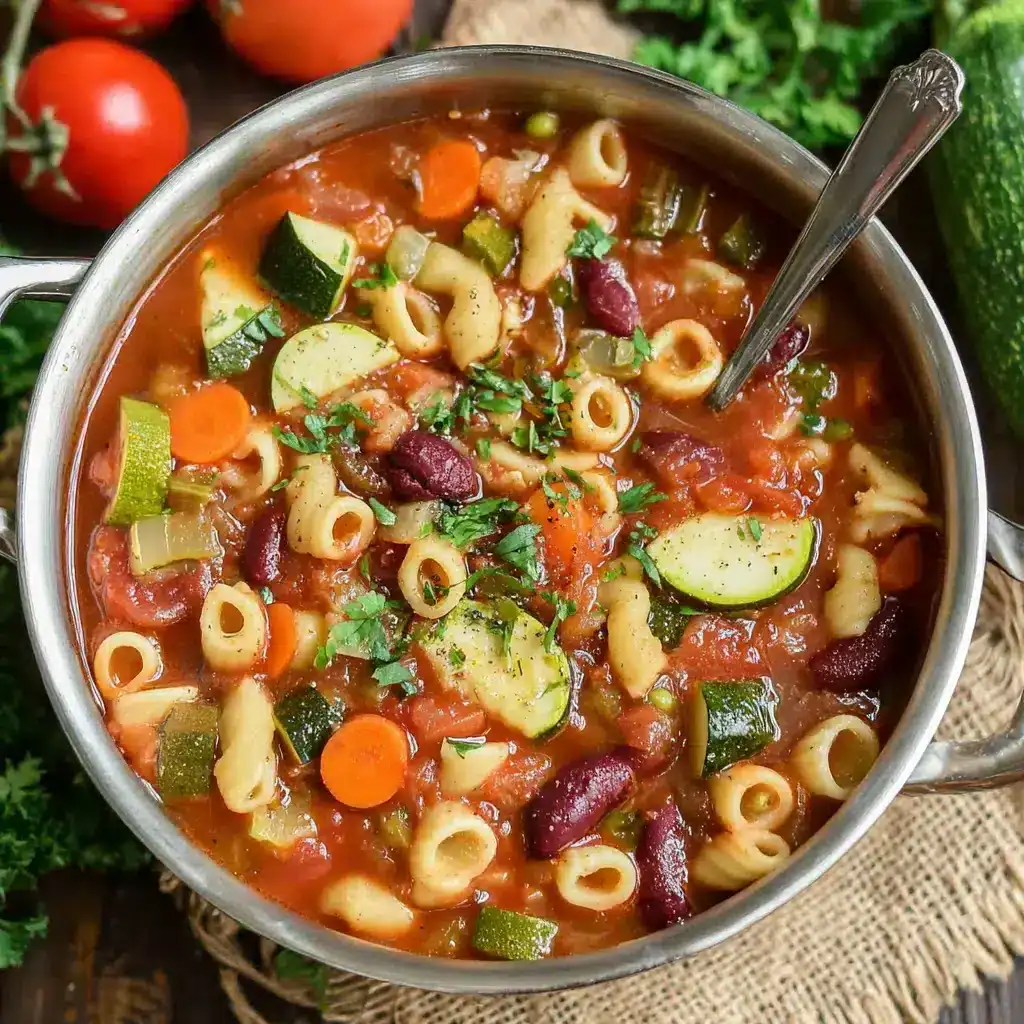
What makes this particular recipe special is its perfect balance of textures and flavors. You’ll discover tender vegetables that still have a pleasant bite, creamy beans that add substance, and a tomato-herb base that ties everything together beautifully. The soup develops rich, complex flavors as it simmers, yet remains light enough to enjoy year-round.
This recipe serves 6-8 people generously and creates leftovers that taste even better the next day. The ingredients are budget-friendly and easily customizable, making it perfect for families, meal prep enthusiasts, or anyone who appreciates genuine Italian comfort food.
Ingredients List
Base Vegetables:
- 2 tablespoons extra virgin olive oil
- 1 large onion, diced (about 1 cup)
- 2 medium carrots, diced (about 1 cup)
- 2 celery stalks, diced (about 1 cup)
- 3 garlic cloves, minced
- 1 medium zucchini, diced
- 1 cup green beans, trimmed and cut into 1-inch pieces
Tomato Base:
- 1 can (14.5 oz) diced tomatoes, with juice
- 2 tablespoons tomato paste
- 6 cups low-sodium vegetable or chicken broth
- 2 cups water
Beans and Pasta:
- 1 can (15 oz) cannellini beans, drained and rinsed
- 1 can (15 oz) kidney beans, drained and rinsed
- 1 cup small pasta (ditalini, elbow macaroni, or small shells)
Seasonings and Herbs:
- 2 teaspoons dried oregano
- 1 teaspoon dried basil
- 1 bay leaf
- 1 teaspoon salt (adjust to taste)
- 1/2 teaspoon black pepper
- 2 cups fresh spinach, roughly chopped
- 1/4 cup fresh parsley, chopped
For Serving:
- Freshly grated Parmesan cheese
- Crusty Italian bread
Substitution Options: Use any seasonal vegetables you have on hand – bell peppers, potatoes, or cabbage work wonderfully. For gluten-free versions, substitute pasta with additional beans or omit entirely. Vegetarians can use vegetable broth, while those avoiding beans can add diced potatoes for heartiness.
Timing
This comforting soup requires minimal active preparation time, making it perfect for busy weeknight cooking.
Preparation Time: 15 minutes
Cooking Time: 35 minutes
Total Time: 50 minutes
The beauty of minestrone is that most of your work happens upfront during the prep phase. Once everything is chopped and ready, the soup practically cooks itself. Use the simmering time to prepare your side dishes, set the table, or simply enjoy the wonderful aromas filling your kitchen.
Time-Saving Tips: Chop all vegetables the night before and store them in the refrigerator. You can also make this soup completely ahead of time – it tastes even better after sitting overnight, allowing all the flavors to meld together perfectly.
How to Make It
1. Prepare the Aromatic Base
Heat olive oil in a large, heavy-bottomed pot over medium heat. Add diced onion, carrots, and celery, creating the holy trinity of Italian cooking known as soffritto. Cook for 5-7 minutes, stirring occasionally, until vegetables begin to soften and the onions turn translucent. The kitchen will start smelling incredible at this point.
Add minced garlic and cook for another minute until fragrant, being careful not to let it brown. This gentle cooking process builds the flavor foundation that makes the entire soup extraordinary.
2. Build the Vegetable Layer
Stir in diced zucchini and green beans, cooking for 3-4 minutes until they begin to soften slightly. These vegetables will continue cooking in the broth, so you want them just barely tender at this stage.
Add tomato paste and stir continuously for about 1 minute. This step is crucial – cooking the tomato paste removes any raw flavor and creates a deeper, richer taste in the finished soup.
3. Create the Tomato Base
Pour in the diced tomatoes with their juice, crushing any large pieces with your spoon. Add oregano, basil, bay leaf, salt, and pepper. Stir everything together, allowing the herbs to bloom and release their essential oils.
Let this mixture cook for 2-3 minutes, allowing the tomatoes to break down slightly and meld with the vegetables.
4. Add Liquid and Simmer
Pour in the broth and water, bringing the mixture to a gentle boil over medium-high heat. Once boiling, reduce heat to medium-low and let the soup simmer for 15 minutes. This allows all the vegetables to become tender while the flavors develop and intensify.
5. Add Beans and Pasta
Stir in both types of beans and the pasta. Continue cooking for 10-12 minutes, or until the pasta reaches al dente texture. The beans add protein and creaminess, while the pasta makes the soup more substantial and filling.
Taste and adjust seasoning as needed. Remember that the flavors will continue developing as the soup rests.
6. Finish with Fresh Elements
Remove the bay leaf and stir in fresh spinach and parsley. The spinach will wilt immediately from the heat, adding vibrant color and nutrients. Let the soup rest for 5 minutes before serving, allowing all components to settle and flavors to marry.
Nutritional Information
Each generous serving of this minestrone soup recipe provides approximately:
- Calories: 280-320
- Protein: 14g
- Carbohydrates: 52g
- Fiber: 12g
- Fat: 4g
- Sodium: 680mg
This soup delivers an impressive amount of plant-based protein from the bean combination, while the variety of vegetables provides essential vitamins, minerals, and antioxidants. The high fiber content supports digestive health and helps you feel satisfied longer.
The moderate calorie count makes this soup perfect for those managing their weight, while the substantial protein and fiber content ensures it’s filling enough to serve as a complete meal.
Healthier Alternatives for the Recipe
Lower Sodium Version: Use no-salt-added canned tomatoes and beans, low-sodium broth, and season with herbs and lemon juice instead of additional salt.
Grain-Free Option: Replace pasta with diced sweet potatoes or cauliflower florets. Add these heartier vegetables during the simmering stage so they have time to become tender.
Protein Boost: Add cooked chicken, turkey, or Italian sausage during the last 10 minutes of cooking. Leftover rotisserie chicken works particularly well.
Vegan Adaptation: This recipe is naturally vegan when using vegetable broth. Nutritional yeast makes an excellent dairy-free alternative to Parmesan cheese.
Low-Carb Version: Omit pasta entirely and increase the vegetable content with additional zucchini, bell peppers, or leafy greens.
Serving Suggestions
Serve this hearty soup in warmed bowls topped with freshly grated Parmesan cheese and a drizzle of good-quality olive oil. Crusty Italian bread or garlic bread makes the perfect accompaniment for dipping.
Portion Guidance: Plan on about 1.5 cups per person as a main course, or 1 cup when serving as a starter.
Wine Pairing: A light Chianti or Pinot Grigio complements the soup’s herbal notes beautifully.
Seasonal Variations: In summer, add fresh basil and serve at room temperature. During winter, incorporate root vegetables like parsnips or turnips for extra heartiness.
Common Mistakes to Avoid
Overcooking the Pasta: Add pasta during the final 10-12 minutes only. Overcooked pasta becomes mushy and breaks apart, creating an unpleasant texture.
Skipping the Soffritto Step: Don’t rush the initial vegetable cooking phase. This foundation creates the soup’s depth of flavor.
Using Too Much Liquid: The soup should be hearty and thick. If it becomes too thin, simmer uncovered to reduce and concentrate flavors.
Forgetting to Taste and Adjust: Always taste before serving and adjust salt, pepper, or herbs as needed. Every ingredient varies in intensity.
Adding Delicate Greens Too Early: Spinach and fresh herbs should be added at the very end to maintain their color and nutrients.
Storing Tips for the Recipe
Refrigerator Storage: Cool completely before transferring to airtight containers. The soup keeps for 4-5 days refrigerated.
Freezer Storage: This soup freezes well for up to 3 months, though the pasta texture may soften slightly upon reheating.
Reheating Instructions: Warm gently over medium-low heat, adding a splash of broth or water if the soup has thickened during storage.
Make-Ahead Strategy: Prepare the soup without pasta, then cook pasta separately and add individual portions when serving. This prevents the pasta from becoming overly soft during storage.
Conclusion
This authentic minestrone soup recipe proves that the most satisfying meals often come from the simplest ingredients prepared with care and attention. Each bowl delivers the warmth and comfort that makes Italian cuisine so beloved worldwide, while providing nourishing sustenance for body and soul.
The beauty of this recipe lies in its adaptability – it welcomes seasonal vegetables, accommodates dietary restrictions, and tastes even better as leftovers. Once you master this basic technique, you’ll find yourself making variations throughout the year, each one reflecting the best ingredients available.
Gather your ingredients, warm up that soup pot, and treat yourself to a bowl of homemade Italian comfort. Don’t forget to share your own variations and family additions in the comments below!
FAQs
Can I make this soup without pasta?
Absolutely! The soup is delicious without pasta and actually becomes more vegetable-forward. Consider adding extra beans or diced potatoes for additional heartiness.
What’s the best way to reheat leftover minestrone?
Reheat gently over medium-low heat, stirring occasionally. Add a splash of broth or water if the soup has thickened during storage. Avoid rapid boiling, which can break down the vegetables.
Can I use dried beans instead of canned?
Yes, but you’ll need to plan ahead. Soak 1 cup total dried beans overnight, then cook until tender before adding to the soup. This process adds about 2 hours to your total cooking time.
How can I make this soup more filling?
Add cooked Italian sausage, chicken, or extra beans. You can also serve over a scoop of cooked rice or with extra crusty bread for dipping.
What vegetables work best for substitutions?
Almost any vegetable works in minestrone! Try bell peppers, potatoes, cabbage, leeks, or seasonal squash. Just adjust cooking times based on how long each vegetable needs to become tender.
Is this soup suitable for meal prep?
Perfect for meal prep! Make a large batch on Sunday and portion into individual containers. The flavors actually improve after a day or two, making your weekday lunches even more delicious.